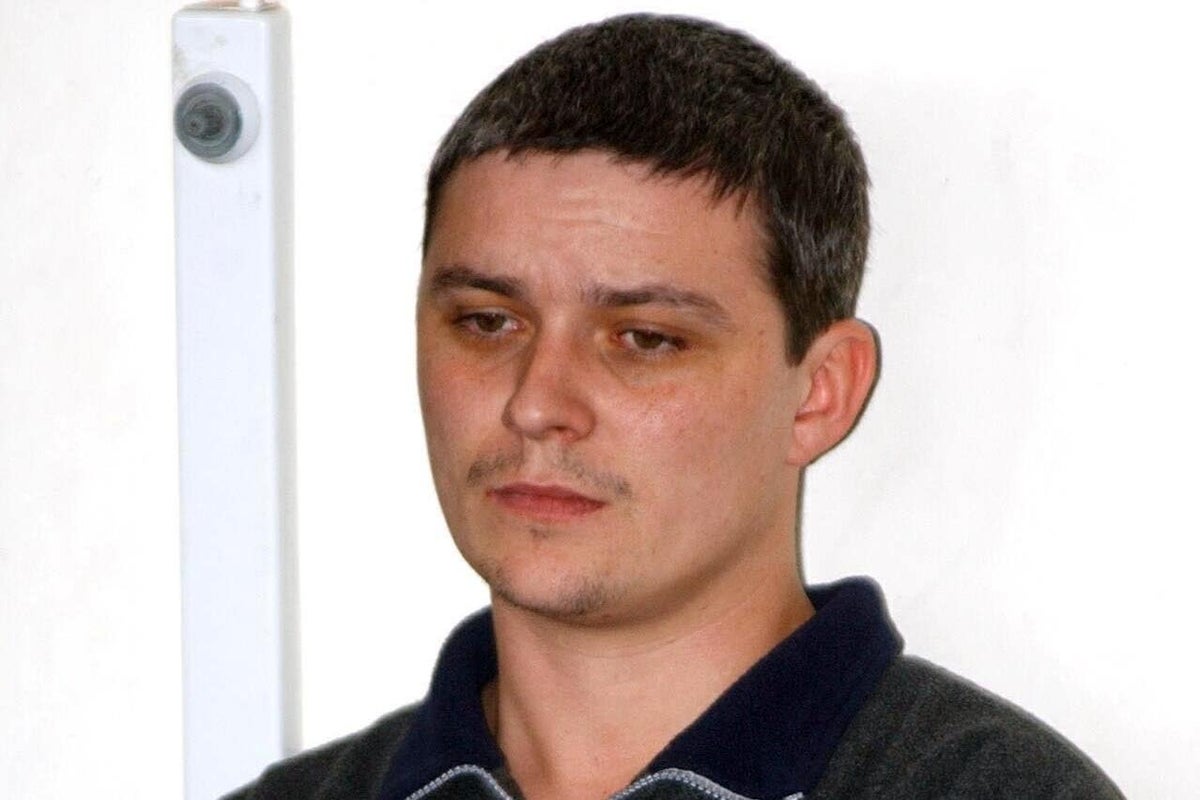
Soham Killer's Daughter on His Death: 'Over the Moon,' Relief and No Tears
The death of notorious child murderer Ian Huntley in a maximum-security prison sparked a complex mix of emotions across Britain. While many felt a sense of grim satisfaction or justice, few reactions were as raw and profoundly personal as that of his only child, Ian Huntley's daughter Samantha Bryan. Her public declaration of being "over the moon" and feeling immense relief, accompanied by no tears, offered a rare and stark insight into the life overshadowed by a parent's monstrous crimes. It's a story of inherited burden, an unexpected liberation, and a powerful statement of identity forged in the shadow of infamy.
The Unbearable Weight of a Killer's Legacy
From the moment Ian Huntley was unmasked as the perpetrator of the horrific Soham murders in 2002, the name became synonymous with unimaginable evil. The case, involving the abduction and murder of 10-year-old schoolgirls Jessica Chapman and Holly Wells, captivated and horrified the nation, forever changing the landscape of child safety and public trust. For Samantha Bryan, Ian Huntley's daughter, the revelation came years later, but its impact was no less devastating. While most families grapple with the complexities of lineage, Samantha's challenge was to reconcile her biological ties with a man reviled by an entire country.
Her mother, Katie Bryan, had a relationship with Huntley at a young age, becoming pregnant at 16 before the relationship ended. This early history meant Samantha grew up unaware of the true identity of her biological father. The psychological toll of being unknowingly linked to such a figure, even before the truth emerged, is immense. It speaks to the silent burden many children of notorious criminals carry, often battling with questions of identity, inherent traits, and the pervasive shadow of a public's judgment. The Soham tragedy wasn't just a national wound; it became, for Samantha, an intensely personal and defining trauma.
The Discovery and the Public Burden
The truth for Samantha Bryan emerged in a way that few could imagine: through a school crime project at the age of 14. This startling discovery, not from a parent or trusted adult but through her own research, ripped apart her understanding of her origins. Learning that your biological father is one of Britain's most hated figures would be a seismic shock, a profound redefinition of one's place in the world. It thrust her into a secret world of shame and fear, a burden she carried largely in silence for years.
In the aftermath of her discovery, Samantha found herself wrestling with the duality of her identity. Biologically tied to Huntley, yet morally repulsed by his actions. It was a conflict that manifested in deep emotional pain, not for him, but for his victims. She openly shared, "Over the years I’ve cried many times over the thought of Holly and Jessica and what their family have gone through." This statement powerfully underscores her empathy and her desire to distance herself from his horrific legacy, advocating strongly for the enduring memory of the young girls. Her experience highlights a unique psychological challenge: how does one navigate a world that implicitly expects them to share in a monstrous parent's guilt, while desperately trying to forge an identity free from that shadow?
"Over the Moon": Samantha Bryan's Raw Reaction to Huntley's Demise
The news of Ian Huntley's death in prison was met by Samantha Bryan with an overwhelming sense of relief that she described as being "over the moon." Huntley, 52, died in hospital after suffering severe brain trauma from an attack by an inmate in the workshop of HMP Frankland, Durham. He was reportedly struck multiple times with a metal pole, allegedly by triple murderer Anthony Russell, on February 26th. The severity of his injuries led to him being placed in a medically induced coma, with reports stating he was "unrecognisable" to his mother on his deathbed. Eventually, after consultations with his mother, medics withdrew the ventilator keeping him alive.
Samantha's reaction was immediate and unequivocal. "I felt relieved. I didn’t cry. I smiled. I was over the moon to be honest," she candidly told The Sun. She admitted to an initial emotional surge when first hearing he had been injured, mistaking it for death and experiencing an "overwhelming sense of relief." When the definitive call came, confirming his passing, it was a "shock to be told your biological father is dead," but crucially, she added, "He’s nothing to me apart from biology."
This powerful sentiment speaks volumes about the complete severing of any emotional bond. For Ian Huntley's daughter, Samantha Bryan, his death represented the final lifting of an immense burden. "Being his daughter has been a heavy burden. It felt like I could breathe again," she explained. This isn't a celebration of death itself, but rather a profound personal liberation from a decades-long psychological weight. It underscores the vital distinction between biological ties and genuine familial connection, particularly when one's origins are steeped in such darkness.
The Aftermath: Justice, Legacy, and Moving Forward
Ian Huntley's death closes a chapter for many, though the pain of the Soham murders remains etched in the national consciousness. His crimes were meticulously planned: he lured Holly and Jessica into his home while his then-partner, Maxine Carr, a teaching assistant at the girls' school, was away. After murdering them, he dumped their bodies 10 miles away. The ensuing disappearance sparked one of Britain's largest ever police searches. Huntley even gave interviews to journalists, appearing calm and concerned, until a reporter's suspicions led to his arrest. At his trial at the Old Bailey, his fabricated story of an accidental death was rejected by the jury, leading to his conviction in December 2003 with a minimum 40-year tariff.
Even in his death, the legal ramifications continue, as Durham Constabulary has confirmed an ongoing investigation into the circumstances of Huntley's prison attack, with a file being prepared for the Crown Prosecution Service. For Samantha Bryan, this ongoing narrative around her biological father is likely a constant reminder of the past. However, her public statements signal a clear intent to move forward, unshackled from his shadow.
Her journey offers a poignant insight into coping with extreme familial trauma. For others facing equally shocking or difficult family revelations, Samantha's story highlights the importance of creating distance from a toxic legacy, seeking support, and focusing on one's own identity and values. It's a testament to resilience and the human capacity to define oneself beyond the choices and actions of others, even those biologically related. Her firm stance that Holly and Jessica must never be forgotten serves as a powerful reminder that while she seeks her own peace, the memory of the victims remains paramount.
The path of Ian Huntley's daughter Samantha Bryan has been one of extraordinary challenge and quiet suffering, thrust into the national spotlight not by choice, but by biological lottery. Her candid reaction to Huntley's death – her relief, her tears for his victims rather than for him – speaks to a profound liberation from a heavy and unwanted legacy. It is a powerful narrative of resilience, a desire for personal freedom, and a steadfast commitment to honouring the memory of those tragically lost, proving that one's true identity can indeed be forged anew, even from the deepest shadows.